

Walk into any gym and you'll see it: a big, boxy T-shirt or hoodie, sleeves past the elbows, worn over a body that clearly lifts. Lifters call it a pump cover. Here's where the name comes from, why so many people train in one, and how to choose a good one.
What a pump cover is
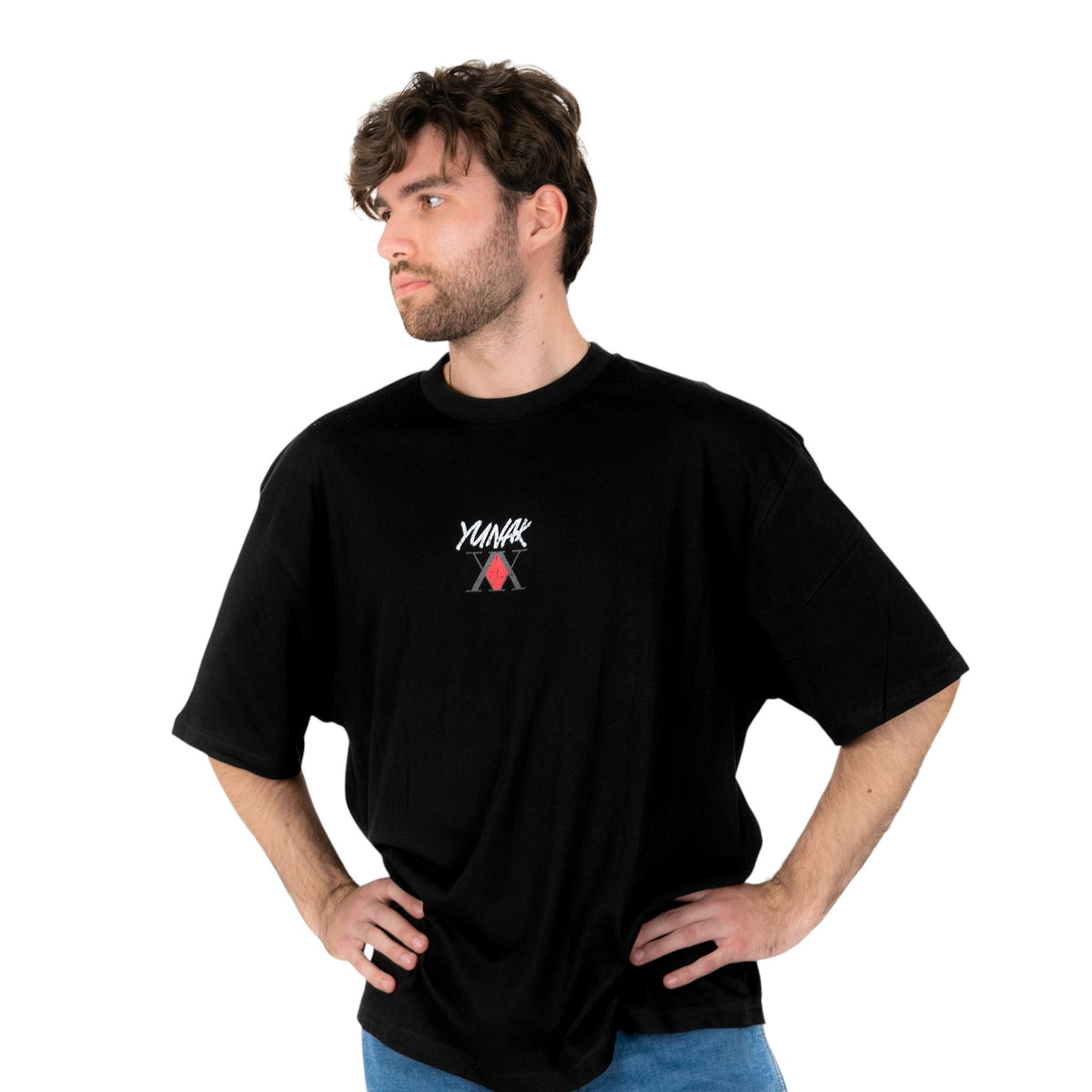
A pump cover is an oversized top that lifters wear in the gym, usually a loose T-shirt or hoodie with dropped shoulders and a long, wide cut. "The pump" is the full, tight feeling your muscles get during a hard session, when blood flows into the muscle you're training. A pump cover covers it: you train in comfort and keep the physique under wraps until you decide to show it.
Today the name is used for almost any oversized gym shirt, whether you're hiding a pump or not.
Why lifters wear them
- Freedom of movement. A roomy cut doesn't pull across your back on rows or ride up on overhead presses.
- Warmth. A loose layer keeps muscles warm between sets, especially in cold gyms or early sessions.
- Comfort with your body. Not everyone wants to train in a fitted shirt. A pump cover lets you focus on the lift, not on how you look doing it.
- The reveal. Some lifters like to train covered up and save the fitted shirt or tank for the last pump set or the gym mirror. That's part of the culture.
- Style. Big back prints and a relaxed fit look as good outside the gym as in it.
What makes a good pump cover
The cut. Look for dropped shoulders (the shoulder seam sits on your upper arm, not on your shoulder), a wide body and sleeves that reach towards the elbow. That's what gives the oversized shape, rather than just a bigger normal tee.
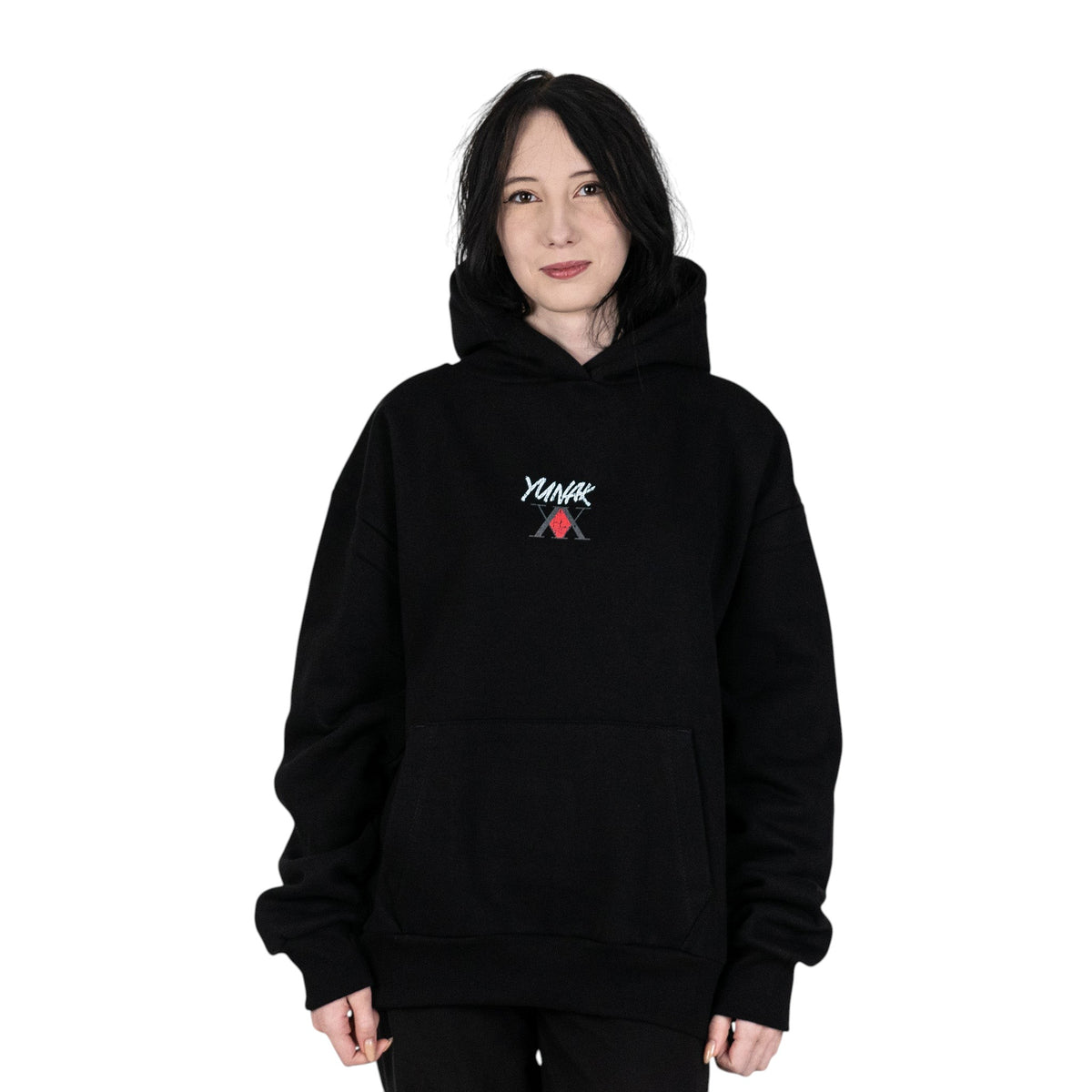
The fabric. Weight is measured in GSM (grams per square metre). Thin, cheap tees are around 140 GSM and lose their shape quickly. Our oversized tees are 190 GSM ring-spun combed cotton: soft, breathable and solid enough to hang well. For cold days, our heavyweight hoodies are 440 GSM, with a cordless hood so nothing catches on a cable machine.
The print. Pump covers are where lifters show what they're about. Ours carry large anime-inspired back prints with a small logo on the chest.
How to size a pump cover
The easiest rule: take your usual size for the full oversized look. Pump covers are already cut big, so there's no need to size up. Size down if you want a closer, more relaxed-fit look.
Our oversized tee measurements (laid flat):
| Size | Width (chest, flat) | Length | Sleeve |
|---|---|---|---|
| S | 54 cm (21.3 in) | 70 cm (27.6 in) | 25 cm (9.8 in) |
| M | 58 cm (22.8 in) | 73 cm (28.7 in) | 26 cm (10.2 in) |
| L | 62 cm (24.4 in) | 76 cm (29.9 in) | 27 cm (10.6 in) |
| XL | 66 cm (26 in) | 79 cm (31.1 in) | 28 cm (11 in) |
| XXL | 70 cm (27.6 in) | 82 cm (32.3 in) | 29 cm (11.4 in) |
Tip: lay your favourite T-shirt flat and measure it across the chest, just under the arms. Compare that number with the width column, then add a few centimetres for the oversized look.
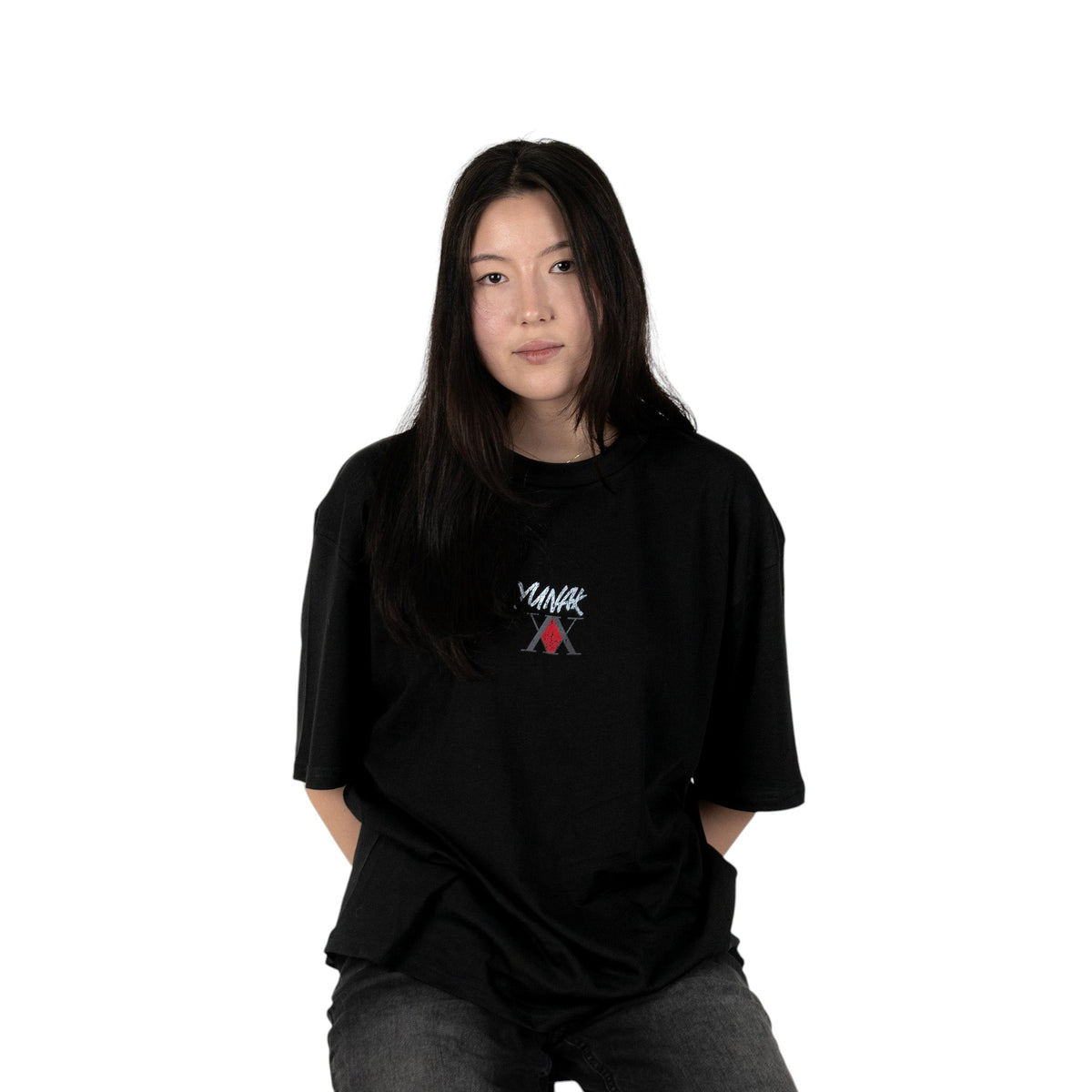
For reference: our male model is 175 cm (5'9"), 68 kg (150 lb) and wears L; our female model is 170 cm (5'7"), 60 kg (132 lb) and wears M.
FAQ
Why is it called a pump cover?
Because it covers "the pump", the swollen, full look your muscles get during training. Lifters wore baggy tops to keep the pump hidden (and warm) until the end of the session.
Is a pump cover just an oversized T-shirt?
Mostly, yes. The difference is in the cut: dropped shoulders, a wide body and longer sleeves, designed to be roomy rather than simply a larger size.
Can women wear pump covers?
Absolutely. Ours are unisex. Many women size down for a slightly closer fit, or stay true to size to wear them as a shirt dress over shorts.
Hoodie or T-shirt?
T-shirt for most sessions; hoodie for cold gyms, warm-ups and the trip to and from the gym.
Will it shrink?
Follow the Washing tab on the product page. Washing cold and air drying keeps the size and the print looking new.
Find yours: Oversized tees → · Oversized hoodies →